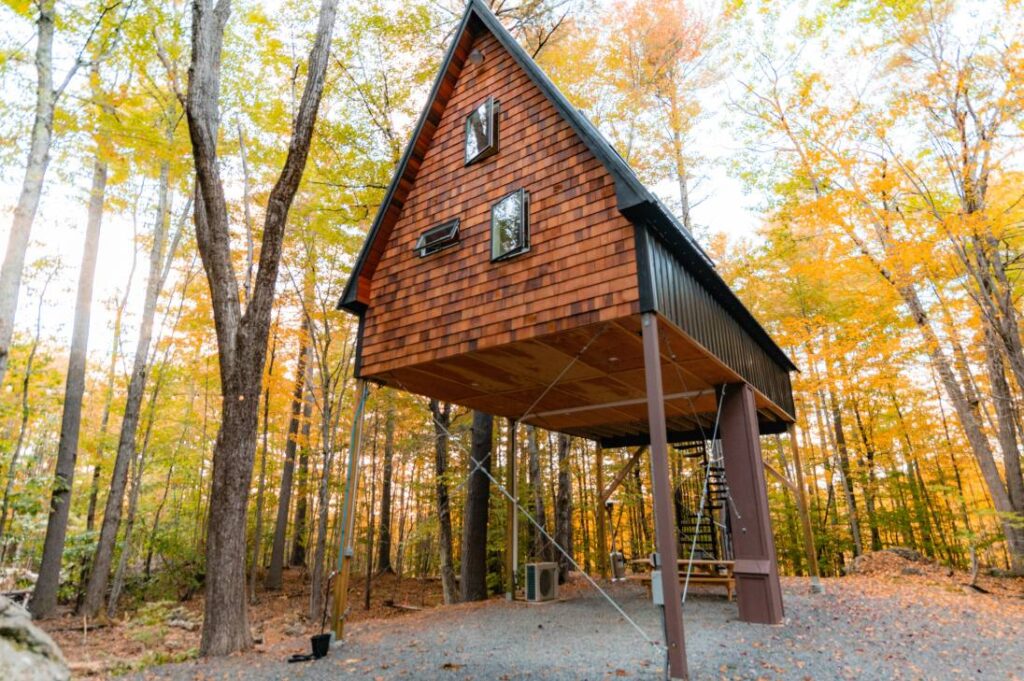

The idea of making money while you sleep has attracted thousands of people to Airbnb. Pictures of beautiful holiday homes generating steady income have inspired many aspiring entrepreneurs to enter the short-term rental market.
At its best, an Airbnb business can provide strong cash flow, flexible working hours, and the opportunity to build a valuable property portfolio. Some hosts earn significantly more from short-term rentals than they would from traditional long-term tenants.
However, the reality is often more complicated than social media success stories suggest. Running an Airbnb is not passive income. Guests create work, regulations can change, competition can be fierce, and profits can disappear quickly if costs are underestimated.
For the right person, Airbnb can be an excellent business. For others, it can become an expensive and stressful investment. Understanding both the opportunities and challenges is essential before getting started.
How Much Can an Airbnb Business Make?
Income varies enormously depending on location, property quality, local demand, seasonality, and competition.
A single Airbnb property might generate anywhere from a few thousand dollars per year to tens of thousands of dollars in annual profit.
For example:
- A small apartment in a low-demand area may generate modest income.
- A well-presented property in a popular tourist destination can earn significantly more than a traditional rental.
- Luxury properties can generate substantial revenue but usually involve much higher costs and risks.
Many successful hosts aim for occupancy rates of 60% to 80%, although this varies by location and season.
The most important figure is not revenue but profit. Some Airbnb hosts earn impressive revenue numbers while making surprisingly little profit after expenses.
Main Costs of an Airbnb Business
Many new hosts underestimate the true cost of running a short-term rental.
Common expenses include:
Property Costs
- Mortgage payments
- Rent (for rental arbitrage models where permitted)
- Property taxes
- Building insurance
Furnishing and Setup
- Furniture
- Beds and mattresses
- Kitchen equipment
- Decorations and artwork
- Smart locks and security systems
Initial setup costs can range from a few thousand dollars to tens of thousands depending on the property.
Cleaning
Cleaning is often one of the largest ongoing expenses.
Guests expect hotel-like cleanliness, and professional cleaners may be required after every stay.
Maintenance and Repairs
Items wear out faster in short-term rentals than in owner-occupied homes.
Common replacement costs include:
- Towels
- Bedding
- Kitchen equipment
- Furniture
- Appliances
Platform Fees
Airbnb charges service fees, and hosts may also spend money on photography, advertising, or property management services.
Utilities
Unlike long-term rentals, hosts usually pay:
- Electricity
- Water
- Internet
- Streaming services
- Gas and heating
How Risky Is an Airbnb Business?
Overall Risk Rating: Medium to High
An Airbnb business can be profitable, but it carries more risk than many people expect.
The biggest risks include:
Regulatory Risk
Many cities and countries have introduced restrictions on short-term rentals.
Rules can change quickly and may include:
- Licensing requirements
- Registration fees
- Occupancy limits
- Restrictions on rental days
- Complete bans in some areas
A profitable property today could face major restrictions in the future.
Demand Risk
Tourism can fluctuate due to:
- Economic downturns
- Natural disasters
- Political instability
- Airline disruptions
- Global events
A property that enjoys high occupancy one year may struggle the next.
Competition Risk
The Airbnb market has become much more competitive.
In many locations, guests have hundreds or thousands of listings to choose from.
Hosts often need to improve properties continually to remain competitive.
Property Damage Risk
Most guests are respectful, but damage occasionally occurs.
Examples include:
- Broken furniture
- Stained carpets
- Parties
- Theft
- Excessive cleaning requirements
Cash Flow Risk
Mortgage payments continue even when bookings slow down.
Hosts who rely heavily on Airbnb income can face financial pressure during low seasons.
Is Running an Airbnb Enjoyable?
This depends greatly on personality.
People who often enjoy the business include:
- Property enthusiasts
- Hospitality-minded individuals
- People who enjoy customer service
- Entrepreneurs who like creating guest experiences
Many hosts enjoy:
- Decorating properties
- Meeting travelers
- Receiving positive reviews
- Improving guest experiences
- Building a portfolio of properties
However, challenges include:
- Late-night guest messages
- Complaints
- Emergency maintenance
- Cleaning coordination
- Difficult guests
Some hosts eventually hire managers because they no longer enjoy the day-to-day operations.
In reality, Airbnb is often closer to running a small hotel than owning a traditional rental property.
How to Start an Airbnb Business
Step 1: Research Your Market
Before buying or renting any property:
- Study local tourism demand
- Analyze competing listings
- Estimate realistic occupancy rates
- Understand seasonal trends
Avoid making decisions based solely on optimistic assumptions.
Step 2: Understand Local Regulations
Check:
- Short-term rental laws
- Licensing requirements
- Tax obligations
- Homeowners association rules
- Landlord permissions
Never assume Airbnb is automatically allowed.
Step 3: Choose a Suitable Property
Look for:
- Strong tourist demand
- Good transport links
- Attractive local amenities
- Safe neighborhoods
Properties near major attractions often perform better.
Step 4: Create a Financial Plan
Calculate:
- Purchase or rental costs
- Furnishing costs
- Cleaning expenses
- Maintenance costs
- Taxes
- Insurance
Stress-test your numbers using conservative occupancy estimates.
Step 5: Furnish and Prepare the Property
Focus on:
- Comfort
- Cleanliness
- Durable furniture
- Fast internet
- Quality photographs
Professional photos often produce a significant increase in bookings.
Step 6: Create Your Listing
Develop:
- High-quality photos
- Accurate descriptions
- Competitive pricing
- Clear house rules
Trust is critical. Never oversell the property.
Step 7: Launch and Improve
Monitor:
- Occupancy
- Reviews
- Pricing
- Expenses
The most successful hosts continually refine their operations.
Regulations and Legal Considerations
Regulations vary significantly by location.
Common requirements include:
Business Licenses
Some jurisdictions require hosts to register as a business.
Taxes
Hosts may need to pay:
- Income tax
- Tourism taxes
- Occupancy taxes
- Sales or value-added taxes
Safety Requirements
Requirements may include:
- Smoke detectors
- Carbon monoxide detectors
- Fire extinguishers
- Emergency exits
Insurance
Standard homeowner insurance may not fully cover short-term rental activities.
Specialized insurance is often recommended.
Before launching, it is important to understand all local laws and obtain professional advice where necessary.
Conclusion
An Airbnb business can be a genuinely profitable and rewarding venture. In strong locations, hosts may earn considerably more than they would through traditional long-term rentals while building valuable real estate assets.
However, it is not a passive-income machine. Success requires careful research, financial discipline, customer service skills, and the ability to adapt to changing regulations and market conditions.
For people who enjoy hospitality, property management, and entrepreneurship, Airbnb can be an excellent business. For those seeking effortless income, the reality may be disappointing.
The best approach is to evaluate the business conservatively, assume costs will be higher than expected, and only proceed if the numbers still make sense under realistic conditions.