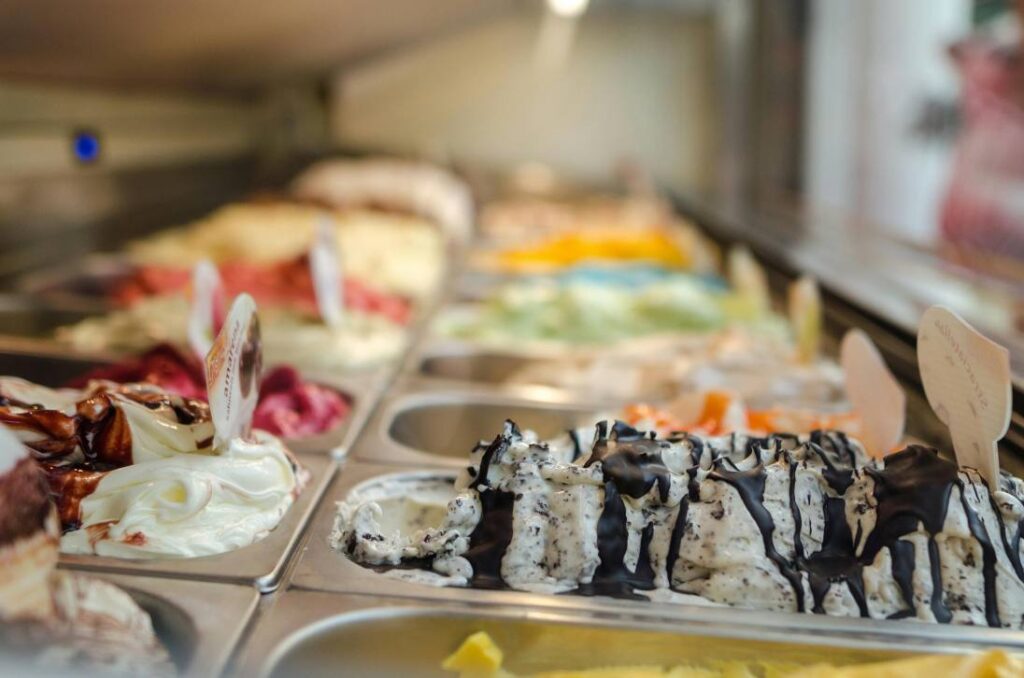

Few businesses create as much happiness as an ice cream or gelato shop.
Children drag their parents through the door. Couples stop by on summer evenings. Tourists line up for local specialties. Customers often arrive in a good mood and leave in an even better one.
From the outside, it seems like a dream business. You serve delicious products, create a fun environment, and make people smile every day.
But behind the colourful displays and tempting flavours lies a business that can be surprisingly difficult to run successfully. Ice cream and gelato shops often face strong seasonality, expensive equipment, food waste, and intense competition for prime locations.
The most successful operators understand that they are not simply selling frozen desserts. They are selling an experience, a treat, and often a moment of enjoyment.
For the right entrepreneur, an ice cream or gelato shop can be highly rewarding. However, it is important to understand both the opportunities and the challenges before investing your savings.
How Much Can an Ice Cream or Gelato Shop Make?
Revenue varies enormously depending on location, climate, tourist traffic, and the quality of the business.
A small neighbourhood shop might generate:
- $80,000–$300,000 per year
A busy town-centre or tourist-area shop might generate:
- $300,000–$1,000,000+ per year
Highly successful stores in prime locations can generate significantly more.
One of the attractive features of the business is that ice cream often carries strong gross profit margins. The ingredients used in a scoop may cost far less than the selling price.
However, gross profit and net profit are very different things.
After rent, labour, utilities, marketing, and equipment costs, many shops achieve net profit margins of approximately 5%–20%.
For example:
- A shop generating $250,000 in annual revenue may earn $12,500–$50,000 in profit.
- A shop generating $750,000 in annual revenue may earn $37,500–$150,000 in profit.
Well-run businesses with strong locations often perform much better than average.
Main Costs
Rent
Location is often critical.
The best ice cream shops are usually located in areas with strong pedestrian traffic, tourist activity, or family-friendly environments.
These locations are often expensive.
Labour
Staffing costs can become significant during busy periods and holiday seasons.
Ingredients
Common ingredient costs include:
- Milk
- Cream
- Sugar
- Flavourings
- Chocolate
- Fruit
- Cones
- Packaging
Premium gelato ingredients can be surprisingly expensive.
Equipment
Startup costs often include:
- Display freezers
- Storage freezers
- Gelato machines
- Refrigeration systems
- Point-of-sale systems
Equipment failures can be particularly costly.
Utilities
Freezers and refrigeration systems run continuously and consume significant electricity.
Marketing
Many businesses invest in:
- Social media advertising
- Local promotions
- Tourist guides
- Loyalty programmes
How Risky Is an Ice Cream or Gelato Shop?
Overall Risk Rating: Medium to High
The product itself is popular, but several factors create significant risk.
Main Risks
Seasonality
In many regions, sales can drop dramatically during colder months.
Some shops make most of their annual profit during a relatively short summer season.
Weather Dependence
A rainy weekend can have a major impact on sales.
A hot sunny weekend can generate record revenue.
Few businesses are affected by weather as directly as ice cream shops.
Competition
Customers can often purchase ice cream from:
- Supermarkets
- Convenience stores
- Cafés
- Restaurants
- Food trucks
High Rent
The locations that attract the most customers are often the most expensive.
Equipment Failures
A broken freezer can result in product losses and lost sales.
Tourism Dependence
Shops located in tourist areas may suffer when visitor numbers decline.
Is It Enjoyable?
Many owners find ice cream and gelato shops highly enjoyable.
Positive aspects include:
- Selling a product people love
- Working in a positive environment
- Creating unique flavours
- Serving happy customers
- Building a community presence
Less enjoyable aspects include:
- Seasonal revenue fluctuations
- Long hours during peak periods
- Staff management
- Food safety responsibilities
- Constant equipment maintenance
Many owners describe the business as fun but far more demanding than customers realise.
How to Start an Ice Cream or Gelato Shop
Step 1: Learn the Industry
Work in a shop if possible or spend time understanding production, service, and operations.
Step 2: Choose Your Business Model
Options include:
- Traditional ice cream shop
- Premium gelato store
- Soft-serve business
- Mobile ice cream van
- Seasonal kiosk
- Tourist-focused destination store
Step 3: Research the Market
Study:
- Competitors
- Customer demographics
- Seasonal demand
- Foot traffic
- Tourist activity
Step 4: Create a Business Plan
Include:
- Startup costs
- Revenue forecasts
- Pricing strategy
- Marketing plan
- Seasonal projections
Step 5: Find the Right Location
Location is often one of the most important factors in success.
Visibility and pedestrian traffic can dramatically influence revenue.
Step 6: Obtain Licences and Permits
Food businesses typically face health and safety regulations that must be followed carefully.
Step 7: Purchase Equipment
Reliable refrigeration equipment is essential.
Trying to save money on poor-quality equipment can become expensive later.
Step 8: Develop Your Product Range
Consider:
- Signature flavours
- Seasonal specials
- Vegan options
- Dairy-free products
- Premium toppings
Step 9: Build Your Brand
Successful shops often develop a strong visual identity and memorable customer experience.
Step 10: Launch and Refine
Gather customer feedback and continuously improve products and service.
Interesting Things Most People Don’t Realise
People Often Buy the Experience More Than the Product
Customers are not simply buying frozen dessert.
They are buying a treat, an outing, or a special moment.
A Great Location Can Be Worth More Than Great Ice Cream
Many owners spend months perfecting recipes while underestimating the value of foot traffic.
Weather Can Make or Break a Week
Few businesses are as sensitive to weather as ice cream shops.
A series of rainy weekends can dramatically affect monthly revenue.
Children Are Often Not the Main Customers
Many successful shops generate significant revenue from adults seeking premium products and unique flavours.
Instagram Can Be More Valuable Than Traditional Advertising
Visually appealing products often generate free marketing through customer photos and social sharing.
Seasonal Planning Is Critical
Many owners must earn enough during peak months to comfortably survive quieter periods.
Premium Products Often Produce Better Results
Customers purchasing ice cream as a treat are frequently willing to pay extra for higher quality and unique flavours.
Conclusion
An ice cream or gelato shop can be one of the most enjoyable businesses to own. Customers generally arrive happy, the product is widely loved, and successful stores can become valued parts of their communities.
However, the business is not as simple as it appears. Seasonality, weather dependence, expensive locations, and operational challenges can make profitability difficult to achieve.
The shops that thrive typically combine a strong location, memorable products, excellent customer service, and careful financial management. They understand that success depends on creating an experience that customers remember and return for.
For entrepreneurs who enjoy hospitality, food, and customer interaction, an ice cream or gelato shop can be a rewarding venture. However, anyone considering this business should carefully evaluate local demand, seasonal fluctuations, and location economics before taking the plunge.